Why Cheese Needs High-Barrier Packaging
Cheese is a living product. Even after ripening, it continues to respire, exchange moisture, and react with oxygen. For packaging buyers in Vietnam, Indonesia, and Thailand, the challenge is to extend shelf life without compromising texture, flavor, or appearance. EVOH (ethylene vinyl alcohol) film has become a preferred barrier layer because it dramatically reduces oxygen transmission while remaining flexible and food-safe.
This guide explains how EVOH works in cheese packaging, what specifications matter, and how to evaluate cost versus benefit for your specific application.
What Is EVOH Film?
EVOH is a copolymer of ethylene and vinyl alcohol. Its molecular structure creates a tortuous path for gas molecules, giving it exceptional oxygen barrier properties—typically 100 to 1000 times better than polyethylene or polypropylene at similar thicknesses. However, EVOH is moisture-sensitive: its barrier performance drops sharply in high humidity. That is why EVOH is almost always used as a buried layer in a multilayer film, sandwiched between moisture-resistant polymers like PE or PP.
Typical Multilayer Structure for Cheese
A common structure for block or sliced cheese might be:
- Outer layer: PP or PET for stiffness, printability, and moisture resistance
- Tie layer: Adhesive resin to bond EVOH to adjacent layers
- Core layer: EVOH (3–10 μm) for oxygen barrier
- Tie layer: Adhesive resin
- Sealant layer: PE or ionomer for heat-seal integrity and grease resistance
Total film thickness might range from 50 to 120 μm, depending on the cheese type and packaging format.
Key Performance Requirements for Cheese Packaging
Not all EVOH films are the same. When specifying for cheese, consider these factors:
Oxygen Transmission Rate (OTR)
Cheese is sensitive to oxidation, which causes rancidity, discoloration, and flavor loss. EVOH grades with lower ethylene content (e.g., 27–32 mol%) offer the highest oxygen barrier. Typical OTR values for EVOH-containing films are below 1 cc/m²/day at 23°C and 50% RH. For very long shelf-life cheeses, target OTR under 0.5 cc/m²/day.
Moisture Barrier and Humidity Resistance
While EVOH provides the oxygen barrier, the outer and sealant layers must block moisture. In tropical climates like Southeast Asia, high ambient humidity can degrade EVOH performance if moisture migrates to the core layer. Using high-density PE or PP as the outer layer, and ensuring good adhesion, helps maintain barrier integrity.
Mechanical Strength and Puncture Resistance
Cheese can have sharp edges, especially hard varieties like Parmesan or aged cheddar. The film must resist punctures during vacuum packing or form-fill-seal operations. EVOH contributes stiffness but can be brittle; blending or coextrusion with tougher polymers improves durability.
Sealability and Grease Resistance
Cheese contains fats that can weaken seals. The sealant layer should be a grease-resistant resin such as ionomer or a specialized PE. Seal strength should be sufficient to maintain vacuum or modified atmosphere, typically 20–40 N/15mm.
Application Guidance by Cheese Type
Soft and Fresh Cheeses
These cheeses have high moisture and are prone to mold and yeast growth. EVOH film with high oxygen barrier helps slow aerobic spoilage, but modified atmosphere packaging (MAP) with CO₂ may also be needed. A typical structure: PP/tie/EVOH/tie/PE, 60–80 μm.
Semi-Hard and Hard Cheeses
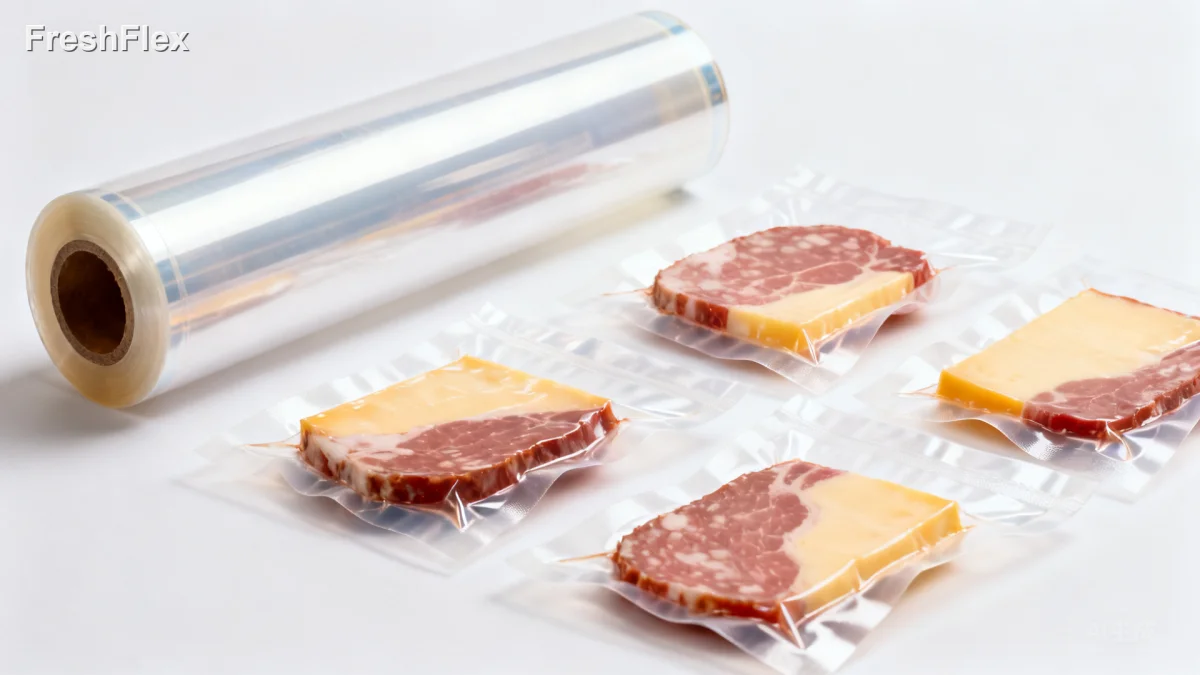
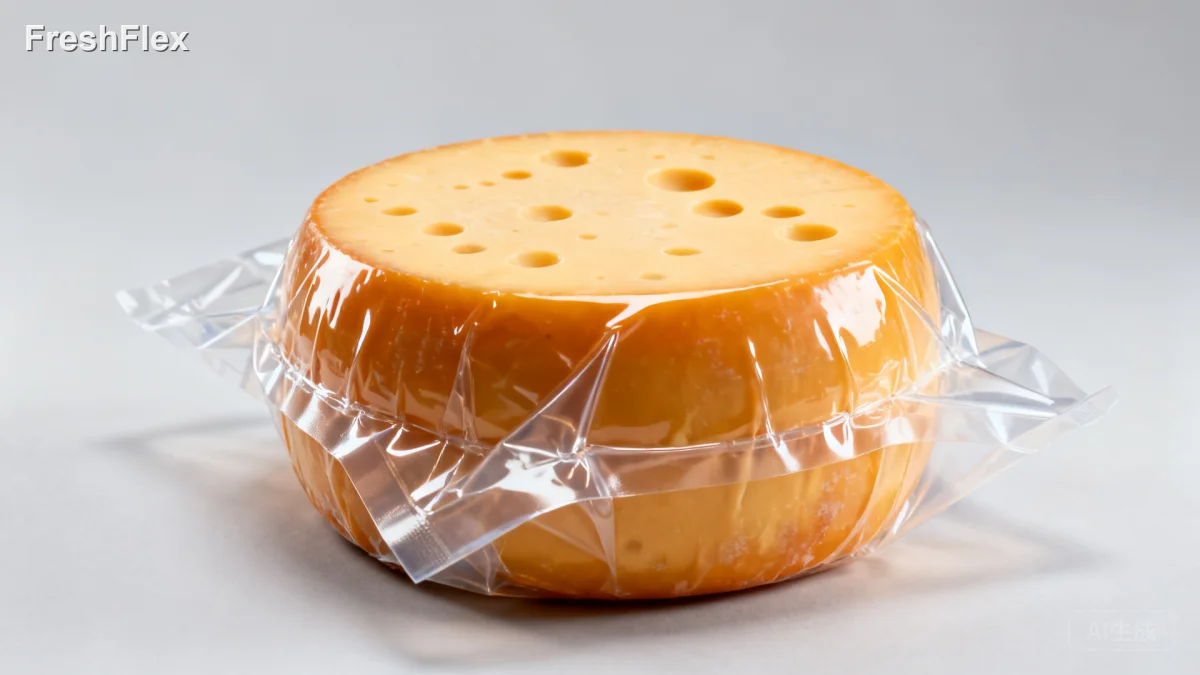
These are often vacuum-packed or shrink-wrapped. EVOH film provides long-term oxygen protection, reducing rind formation and extending shelf life. For very hard cheeses, a tougher sealant like ionomer is recommended to prevent punctures.
Sliced and Shredded Cheese
High surface area makes these products especially vulnerable to oxidation. EVOH films with OTR below 0.5 cc/m²/day are common. Anti-fog additives in the sealant layer improve visibility and consumer appeal.
Cost/Benefit Analysis for EVOH Film
EVOH film costs more per kilogram than standard PE or PP films—often 2 to 4 times more, depending on grade and structure. However, the total cost of ownership should consider:
- Extended shelf life: Reducing spoilage can lower returns and waste.
- Downgauging: High barrier allows thinner films, saving material.
- Brand protection: Consistent quality preserves brand reputation.
- Logistics savings: Longer shelf life may enable sea freight instead of air.
For many cheese exporters in Southeast Asia, EVOH film pays for itself by reducing reject rates and opening new markets.
Regulatory and Sustainability Considerations
EVOH is approved for food contact in most regions, including the EU and US, when used in compliant multilayer structures. In Vietnam, Indonesia, and Thailand, buyers should verify local food safety regulations. Sustainability is a growing concern: EVOH is not easily recyclable in standard PE streams, but it can be incinerated safely or used in energy recovery. Some suppliers offer bio-based EVOH or monomaterial designs for improved recyclability.
How to Choose the Right EVOH Film
Start by defining your cheese type, desired shelf life, and distribution conditions. Then work with your film supplier to specify:
- Target OTR at application humidity
- Total film thickness and layer ratio
- Sealant type and seal strength
- Puncture and tear resistance
- Compliance with local food contact laws
FreshFlex offers high-barrier EVOH films tailored for cheese packaging in tropical climates. Our technical team can help you design a multilayer structure that balances performance, cost, and sustainability.
Conclusion
EVOH film is a proven solution for extending cheese shelf life and reducing waste. By understanding the technical requirements and evaluating total cost, buyers in Vietnam, Indonesia, and Thailand can make informed decisions that benefit their products and their bottom line.