What Is EVOH Multilayer Film?
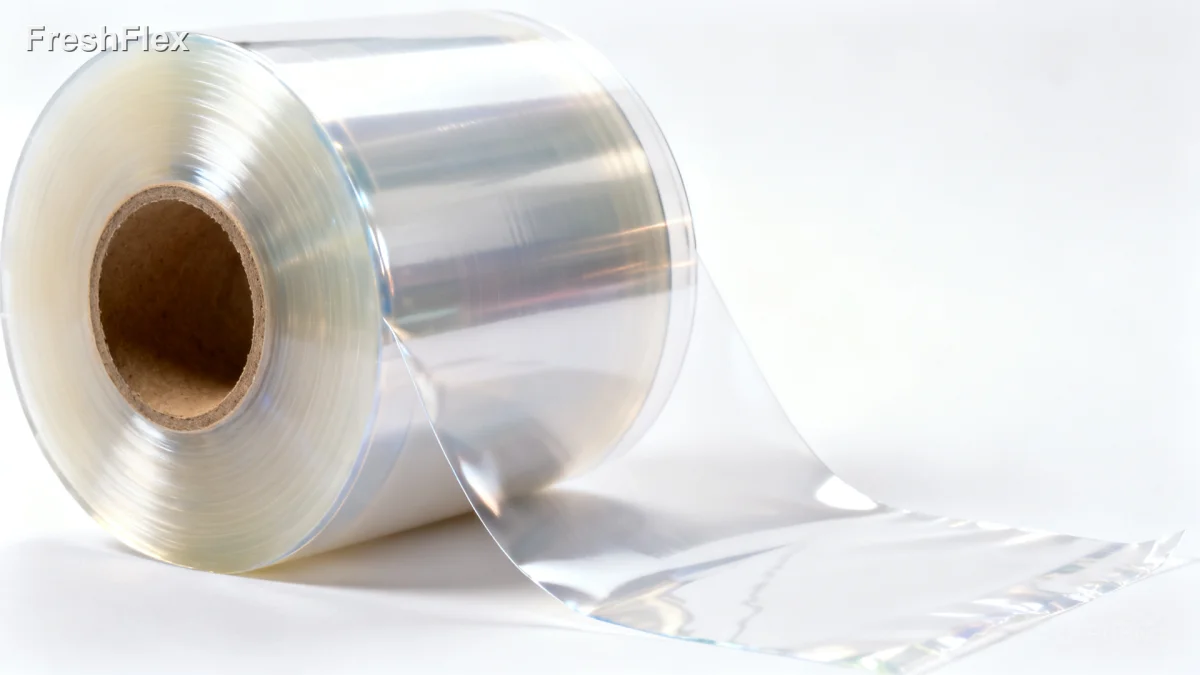
EVOH (ethylene vinyl alcohol) multilayer film is a high-barrier packaging material that combines the excellent oxygen and aroma barrier of EVOH with the moisture resistance and mechanical strength of other polymers like polyethylene (PE) and tie layers. The result is a thin, flexible film that protects sensitive food products from oxygen, moisture, and external contaminants, extending shelf life without refrigeration.
In Southeast Asia's hot and humid climate, standard PE films often fail to prevent oxygen ingress, leading to rapid spoilage. EVOH multilayer films address this by incorporating a thin EVOH core layer (typically 5–20% of total thickness) sandwiched between moisture-resistant outer layers.
Structure and Composition
A typical EVOH multilayer film has a symmetrical or asymmetrical structure, such as PE/tie/EVOH/tie/PE (5 layers) or PE/tie/EVOH/tie/PE/tie/PE (7 layers). The tie layers are adhesive resins that bond EVOH to PE, preventing delamination.
Key Layers
- Outer layers: Usually PE or PP for moisture barrier, heat sealability, and printability.
- Tie layers: Modified polyolefins that ensure interlayer adhesion.
- EVOH core: Provides oxygen barrier; its performance depends on ethylene content (typically 27–48 mol%). Lower ethylene content gives better oxygen barrier but higher moisture sensitivity.
Film thickness generally ranges from 30 to 150 microns, with EVOH layer thickness from 3 to 20 microns. The overall oxygen transmission rate (OTR) can be as low as 0.1–1 cc/m²/day at 23°C and 50% RH, depending on structure and EVOH grade.
Barrier Performance and Testing
EVOH multilayer films are evaluated by OTR and water vapor transmission rate (WVTR). OTR is measured per ASTM D3985, and WVTR per ASTM F1249. For dry foods, OTR below 1 cc/m²/day is common; for moist foods, WVTR below 5 g/m²/day is typical.
Note that EVOH's oxygen barrier degrades significantly at relative humidity above 75%. Therefore, in tropical climates, the EVOH layer must be adequately protected by thick PE layers or desiccants. Retort applications require EVOH grades with higher ethylene content for better moisture resistance.
Applications in Food Packaging
EVOH multilayer films are widely used for:
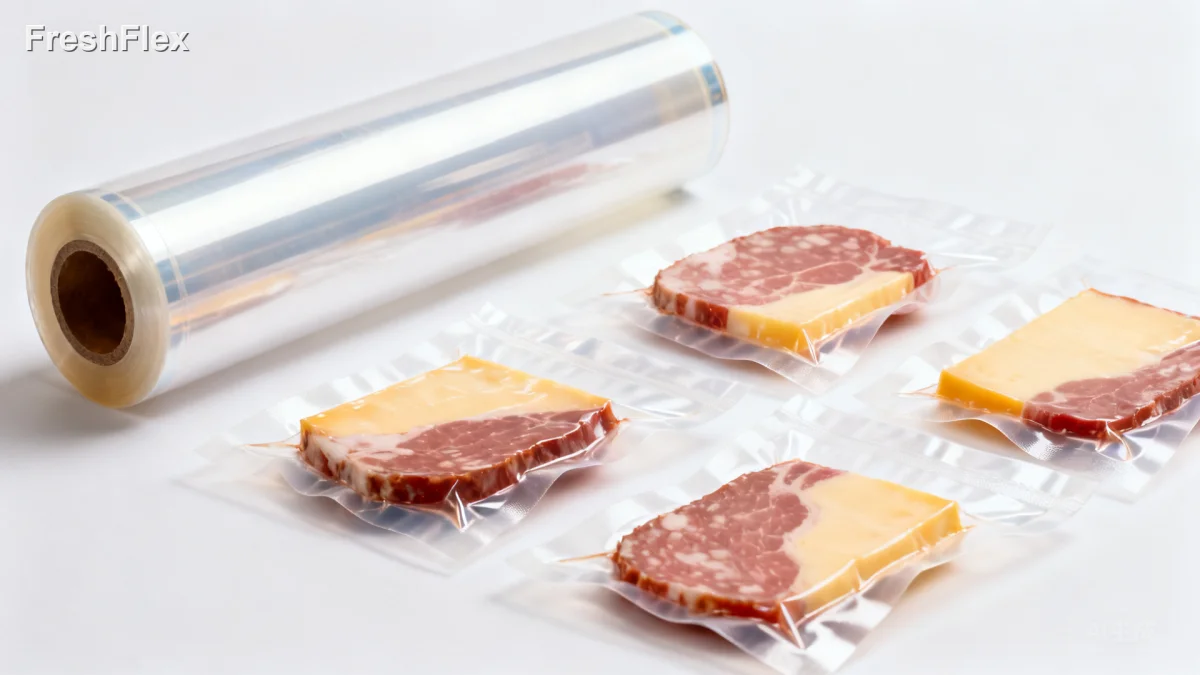
- Meat and poultry: Vacuum skin packaging and modified atmosphere packaging (MAP) to prevent oxidation and discoloration.
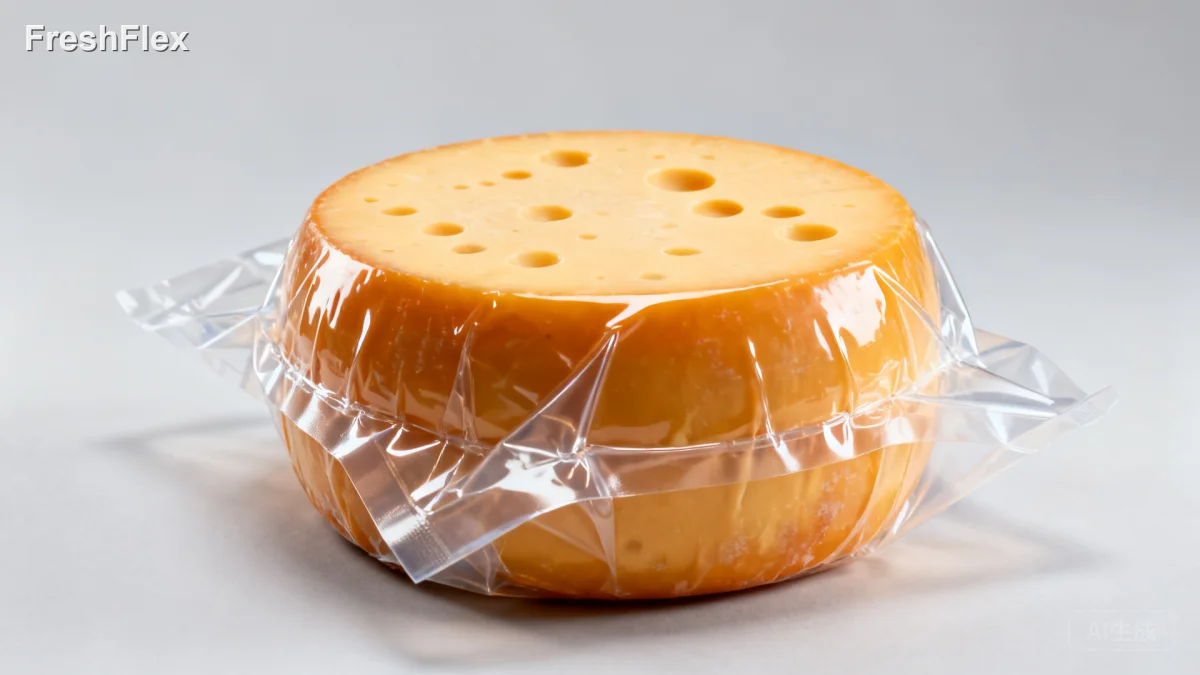
- Cheese and dairy: Block and shredded cheese packaging to avoid mold growth.
- Ready meals: Retort pouches and lidding films for shelf-stable meals.
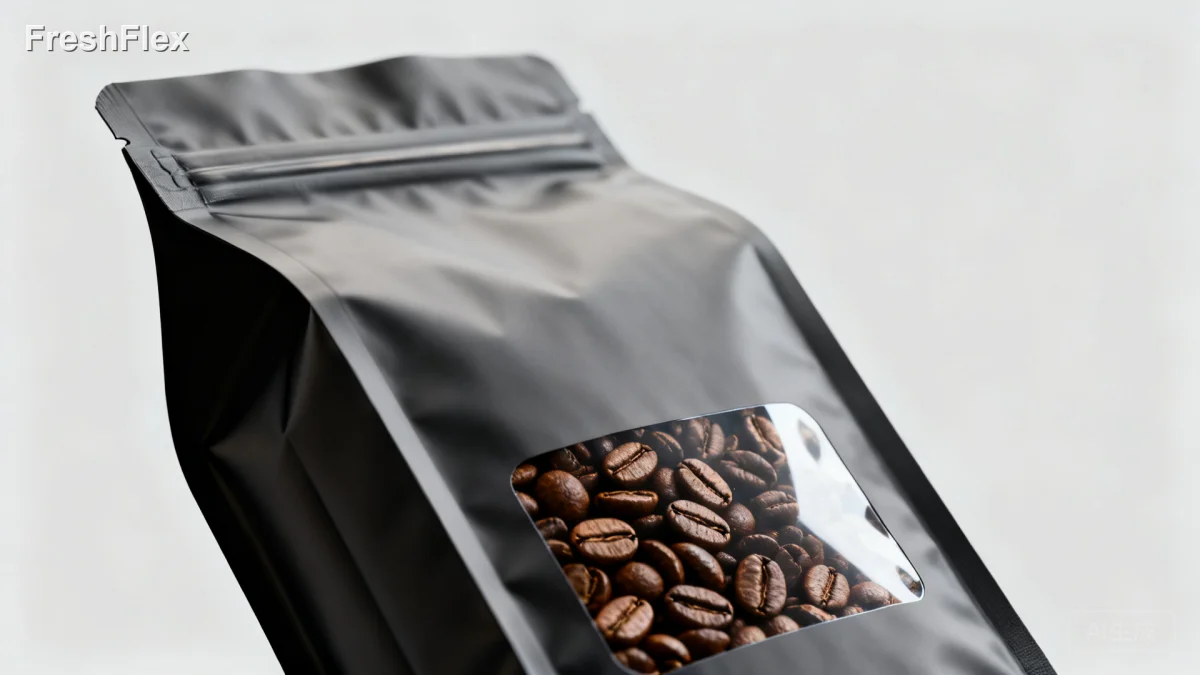
- Snacks and dry goods: Coffee, nuts, and spices to preserve aroma and crunch.
- Sauces and condiments: Flexible pouches replacing glass jars.
In Vietnam, Indonesia, and Thailand, EVOH films are increasingly adopted for premium export products where shelf life and appearance are critical.
Cost-Benefit Analysis for Buyers
EVOH multilayer films cost more than standard PE films—typically 20–50% higher per kilogram—but the total packaging cost per unit may be lower due to reduced food waste and longer distribution reach. Consider the following:
- Shelf life extension: Can increase from days to weeks or months, enabling export and reduced spoilage.
- Material reduction: High barrier allows down-gauging, using less material overall.
- Logistics savings: Fewer returns and less refrigeration needed.
For a typical 500g meat package, switching to EVOH multilayer film might add $0.02–0.05 per pack, but could reduce waste by 5–15% and open new markets.
Selecting the Right EVOH Film
When specifying EVOH multilayer film, consider:
- Product sensitivity: Oxygen-sensitive foods (e.g., cured meats) need OTR <0.5 cc/m²/day; less sensitive foods can use higher OTR.
- Process conditions: Retort, hot-fill, or freeze-thaw cycles affect layer adhesion and barrier.
- Climate: High humidity requires thicker PE layers or moisture-resistant EVOH grades.
- Regulatory compliance: Ensure films meet FDA, EU, or local food-contact standards.
- Seal integrity: Test seal strength and integrity to prevent leaks.
FreshFlex offers EVOH multilayer films tailored to Southeast Asian conditions, with technical support for structure design and testing.
Frequently Asked Questions
Can EVOH films be recycled?
EVOH is not easily recycled in standard PE streams, but it can be incinerated for energy recovery. Some multilayer structures with compatible layers are designed for recycling.
What is the shelf life of EVOH film?
When stored in original packaging away from direct sunlight and moisture, EVOH film has a shelf life of 12–24 months.
How does EVOH compare to PVDC?
EVOH offers better oxygen barrier at low humidity and is chlorine-free, but PVDC performs better at high humidity. EVOH is preferred for environmental reasons.
Conclusion
EVOH multilayer films provide a proven solution for extending shelf life and reducing waste in food packaging. By understanding the structure, barrier properties, and cost factors, buyers in Vietnam, Indonesia, and Thailand can make informed decisions. For specific recommendations, consult a technical specialist to match film specifications to your product and distribution needs.