Why EVOH Film Matters for Food Packaging
In tropical climates like Vietnam, Indonesia, and Thailand, food products face high humidity and temperature fluctuations that accelerate spoilage. EVOH (ethylene vinyl alcohol) film has become a go-to barrier layer in multilayer packaging because of its exceptional oxygen and aroma barrier properties. For processors, brand owners, and converters, understanding EVOH film is critical to extending shelf life, reducing waste, and meeting export standards.
This guide covers the technical fundamentals, typical specifications, application guidance, and cost considerations for EVOH film in food packaging.
What Is EVOH Film?
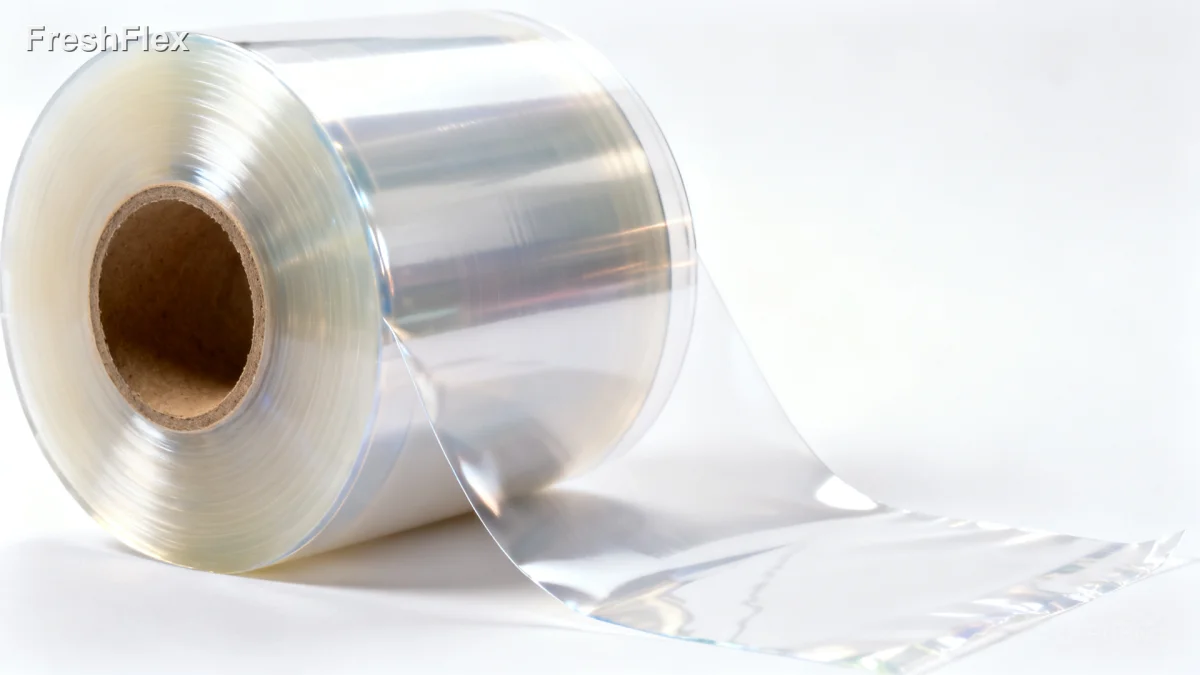
EVOH is a copolymer of ethylene and vinyl alcohol. Its molecular structure creates a highly crystalline barrier that blocks oxygen, carbon dioxide, and volatile organic compounds. Unlike pure polyethylene (PE) or polypropylene (PP), EVOH can reduce oxygen transmission rates (OTR) by several orders of magnitude.
However, EVOH is moisture-sensitive. When exposed to high humidity, its barrier performance drops. That is why EVOH is almost always used as a core layer in multilayer structures, sandwiched between moisture-resistant layers like PE, PP, or PET. This design protects the EVOH from water vapor while leveraging its oxygen barrier.
Key Technical Specifications
When specifying EVOH film, buyers should evaluate these parameters:
- Ethylene content: Typically ranges from 24% to 48%. Lower ethylene content gives better oxygen barrier but higher moisture sensitivity. Higher ethylene content improves moisture resistance but reduces oxygen barrier. Grades around 32% ethylene offer a balance for many food applications.
- Thickness: EVOH core layers commonly range from 3 to 20 microns, depending on target shelf life and structure.
- Oxygen transmission rate (OTR): At dry conditions, EVOH can achieve OTR below 1 cc/m²/day. Under high humidity, OTR may increase significantly, so multilayer protection is essential.
- Melting point: Typically between 160°C and 190°C, depending on ethylene content. This affects coextrusion processing temperatures.
- Thermal stability: EVOH can degrade if overheated or held too long in the extruder. Proper purging and temperature control are critical.
Common Multilayer Structures
EVOH film is rarely used alone. Typical structures include:
- PE/EVOH/PE: For pouches and bags requiring oxygen barrier and heat sealability.
- PET/EVOH/PE: For thermoformed trays and lidding films in meat and dairy packaging.
- PP/EVOH/PP: For retort and hot-fill applications where high-temperature resistance is needed.
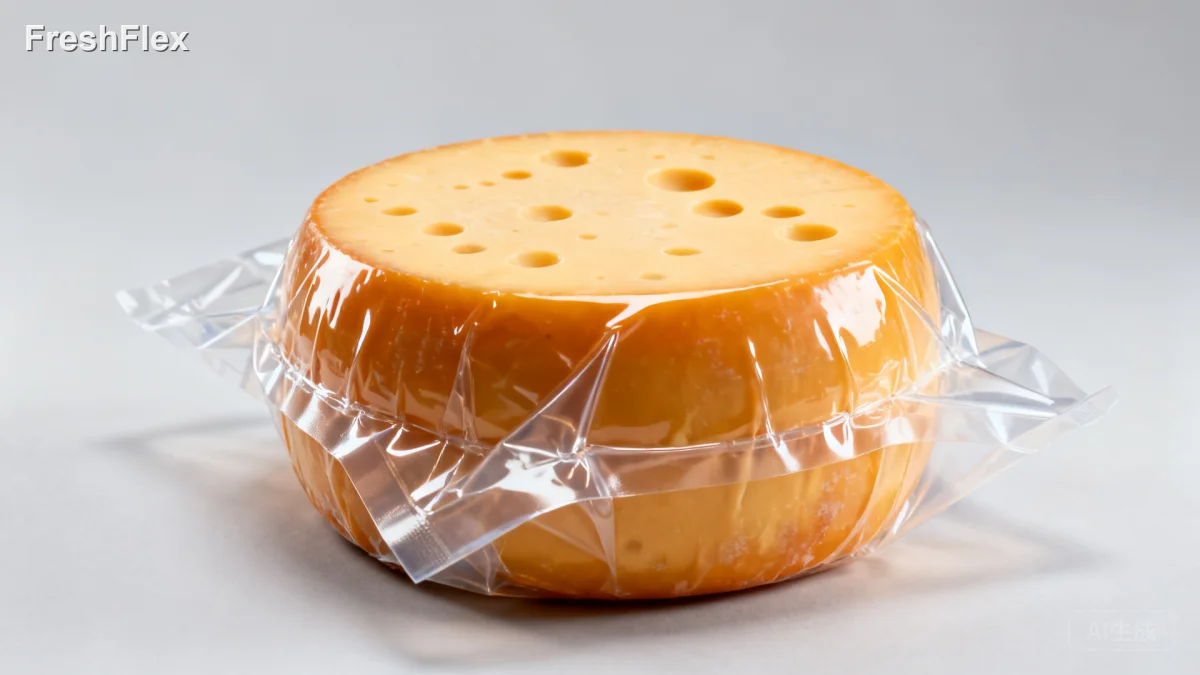
- PA/EVOH/PE: For vacuum packaging of processed meats and cheese, where puncture resistance is also required.
Each layer has a function: outer layers provide moisture resistance, mechanical strength, and printability; tie layers ensure adhesion; EVOH provides the oxygen barrier; inner layers provide sealability and food contact compliance.
Application Guidance by Food Category
Meat, Poultry, and Seafood
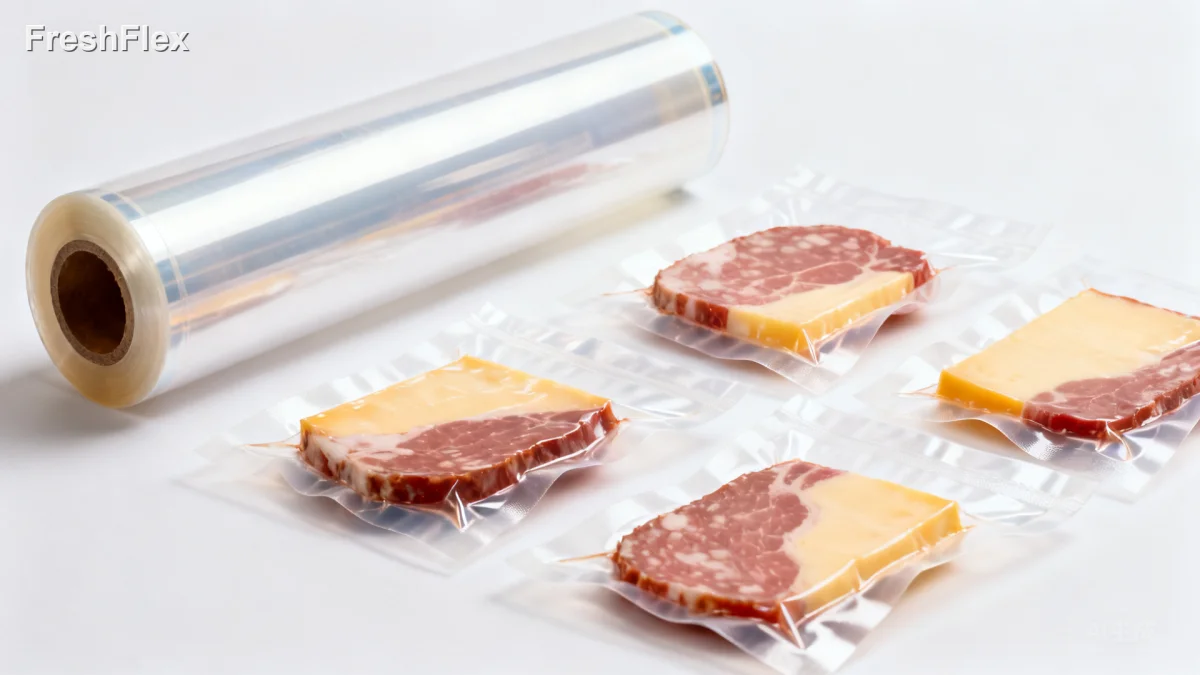
Oxidation causes color loss, rancidity, and off-flavors. EVOH-based vacuum pouches or skin packs can extend refrigerated shelf life by several days to weeks compared to non-barrier films. In Southeast Asia’s cold chain, where temperature abuse is common, EVOH helps maintain product quality during distribution.
Dairy Products
Cheese, yogurt, and milk powders are sensitive to oxygen and moisture. EVOH films in cups, pouches, and lidding maintain flavor and prevent mold growth. For long-distance export, EVOH is often combined with high-barrier metallized or foil layers.
Ready Meals and Sauces
Retort pouches with EVOH cores withstand sterilization temperatures (typically 121°C) while protecting against oxygen ingress. This is increasingly popular in Thailand and Vietnam for export-oriented ready-to-eat meals.
Dry Snacks and Coffee
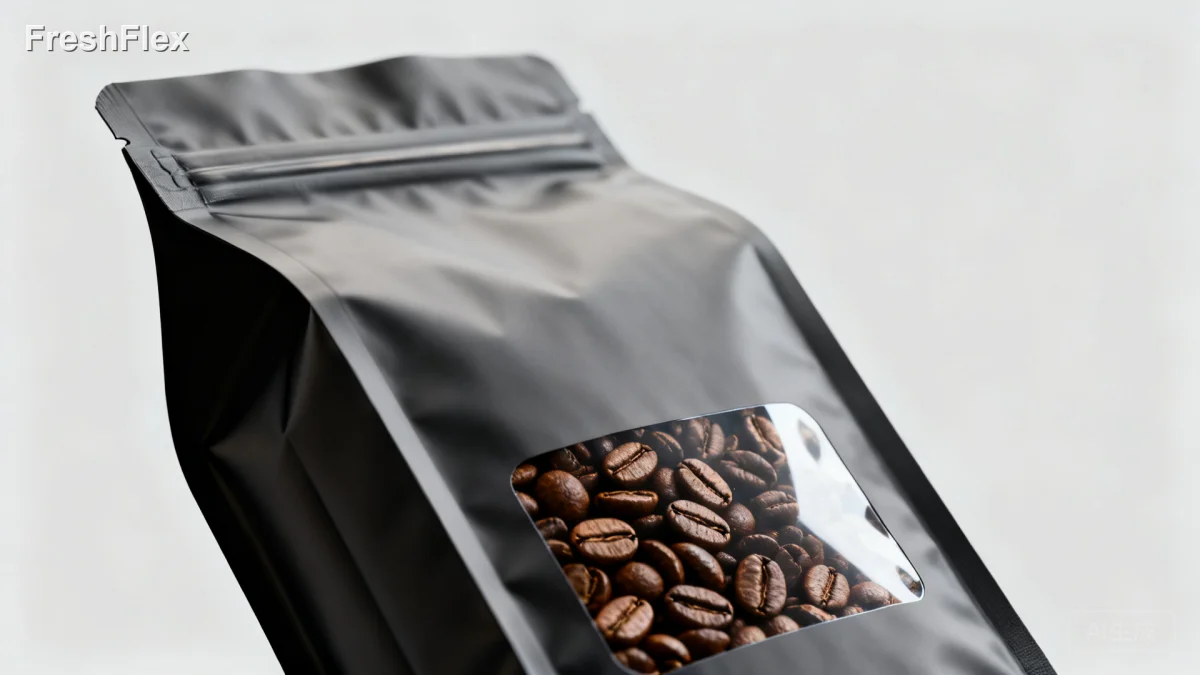
EVOH films preserve crunchiness and aroma. For coffee, EVOH can replace aluminum foil in some structures, offering similar barrier with easier recycling in certain streams.
Fresh Produce
EVOH is used in modified atmosphere packaging (MAP) to control oxygen and carbon dioxide levels, slowing respiration and extending freshness. However, EVOH’s moisture sensitivity requires careful design with breathable outer layers.
Cost-Benefit Analysis for Buyers
EVOH film is more expensive per kilogram than PE or PP. However, the total cost of ownership should consider:
- Shelf life extension: Reducing spoilage can lower returns and waste, often offsetting material costs.
- Downgauging: High barrier allows thinner overall structures, reducing material usage.
- Logistics savings: Longer shelf life enables sea freight instead of air freight, cutting costs and carbon footprint.
- Brand protection: Fewer quality complaints and better product presentation.
In Vietnam, Indonesia, and Thailand, local converters are increasingly offering EVOH-based structures. Buyers should request samples and run shelf-life tests under local conditions. Typical payback periods for switching to EVOH vary by product, but many brands see ROI within 6–18 months through reduced waste.
Supplier Selection Checklist
When sourcing EVOH film, ask potential suppliers:
- What is the ethylene content and intended application?
- Can you provide OTR data at different relative humidity levels?
- Is the film compliant with food contact regulations (e.g., FDA, EU, local standards)?
- What is the recommended multilayer structure and tie layer?
- Do you offer technical support for coextrusion or lamination?
- What is the lead time and minimum order quantity?
FreshFlex specializes in high-barrier EVOH films tailored for tropical climates. Our films are designed for consistent performance in high humidity, with technical support for converters and brand owners across Southeast Asia.
Conclusion
EVOH film is a proven solution for extending shelf life and protecting food quality in Vietnam, Indonesia, and Thailand. By understanding the technical trade-offs and total cost benefits, buyers can make informed decisions. As demand for longer shelf life and cleaner labels grows, EVOH will remain a key material in high-barrier food packaging.