Why Coffee Packaging Demands High-Barrier Films
Coffee is a perishable product. Once roasted, beans and ground coffee begin to release carbon dioxide and absorb moisture and oxygen from the surrounding environment. Oxygen accelerates oxidation of oils, leading to stale, rancid flavors, while moisture ingress causes loss of crispness and promotes mold growth. To maintain freshness from roaster to consumer, packaging must provide an effective barrier against oxygen, moisture, and aroma loss.
Among high-barrier materials, EVOH (ethylene vinyl alcohol) copolymer films stand out for their exceptional oxygen barrier properties, especially in humid conditions. This article explains why EVOH film is a preferred choice for coffee packaging and how to evaluate it for your specific needs.
What Is EVOH Film?
EVOH is a copolymer of ethylene and vinyl alcohol. Its molecular structure includes hydroxyl groups that create a highly tortuous path for oxygen molecules, resulting in oxygen transmission rates (OTR) that are significantly lower than common polymers like PE or PP. The ethylene content can be adjusted to balance barrier performance and moisture sensitivity: lower ethylene content yields better oxygen barrier but higher moisture absorption, while higher ethylene content improves moisture resistance at some cost to oxygen barrier.
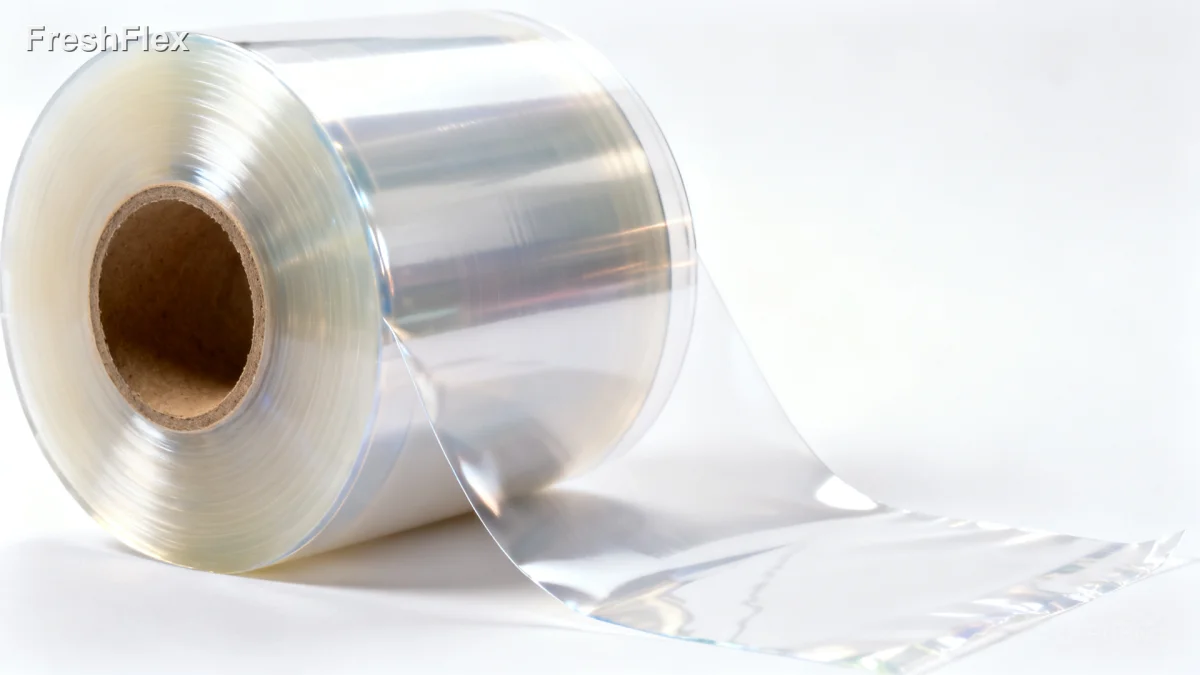
In flexible packaging, EVOH is rarely used as a standalone film. Instead, it is embedded as a thin layer within a multilayer structure, typically between layers of polyethylene (PE) or other sealant and structural layers. This configuration protects the EVOH from direct moisture contact and allows the entire structure to be heat-sealable and mechanically robust.
Key Performance Characteristics for Coffee Packaging
Oxygen Barrier
EVOH films typically provide OTR values in the range of 0.1 to 1.0 cc/m²/day (at 23°C, 50% RH, depending on thickness and ethylene content). This is orders of magnitude lower than standard PE films. For coffee, this means reduced oxidation and longer retention of volatile aroma compounds.
Moisture Barrier
While EVOH alone is moisture-sensitive, when sandwiched between hydrophobic layers like PE, the overall structure achieves a good moisture barrier. The PE layers also provide the necessary seal integrity and puncture resistance.
Aroma and Flavor Preservation
Coffee's desirable aromas are volatile organic compounds. EVOH's dense structure helps retain these compounds within the package, preventing flavor scalping and preserving the intended taste profile.
Carbon Dioxide Retention
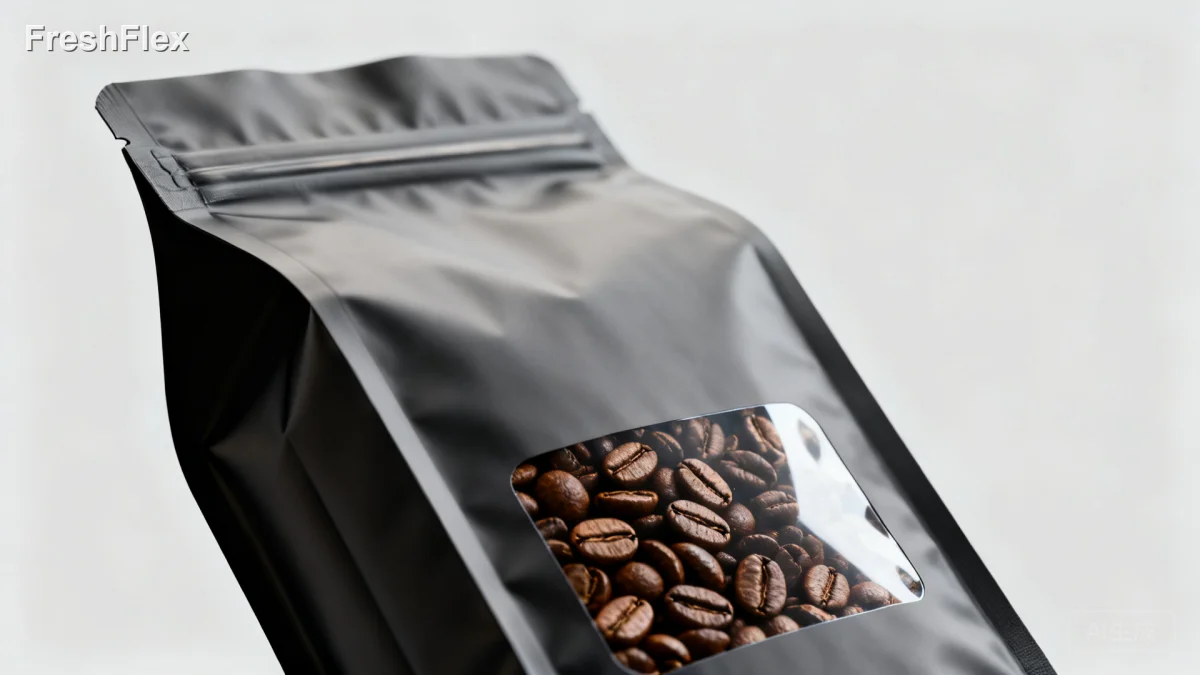
Roasted coffee releases CO2 for days after roasting. While one-way degassing valves are often used, the base film must still manage internal pressure without delamination. EVOH multilayer films with proper tie layers offer good CO2 barrier and mechanical strength.
Typical Multilayer Structures for Coffee Packaging
Common configurations include:
- PE / Tie / EVOH / Tie / PE – symmetrical structure for balanced barrier and sealability.
- PET / PE / EVOH / PE – adds an outer PET layer for printability and stiffness.
- PET / EVOH / PE – simplified structure when high moisture resistance is less critical.
- PET / AL / PE – aluminum foil structures offer absolute barrier but are not transparent and hinder recycling.
EVOH structures are often chosen when transparency is desired, or when metal detection is used in downstream processing (aluminum foil interferes with metal detectors).
Thickness and EVOH Content
The barrier performance depends on the thickness of the EVOH layer and its ethylene content. Typical EVOH layer thicknesses range from 3 to 12 microns. Increasing thickness improves barrier but adds cost and may affect flexural stiffness. For most coffee applications, a 5–9 micron EVOH layer in a 80–120 micron total structure provides a good balance.
Ethylene content typically varies between 24 and 48 mol%. Lower ethylene grades (e.g., 24–32 mol%) offer the best oxygen barrier but require careful moisture protection. Higher ethylene grades (e.g., 38–48 mol%) are more moisture-tolerant but have higher OTR.
Cost Considerations
EVOH resin is more expensive than PE or PET. However, the cost per package is often justified by extended shelf life and reduced product waste. For a typical coffee bag, the EVOH layer may add 10–30% to the film cost, but this can be offset by lower return rates and the ability to use thinner overall structures or eliminate aluminum foil. When comparing suppliers, evaluate cost per square meter of finished structure, not just resin price.
Regulatory and Sustainability Aspects
EVOH is approved for food contact in most regions, including the EU and US, when used in compliant multilayer structures. It is also compatible with some recycling streams, though multilayer films are generally not recyclable in standard mechanical recycling. Emerging chemical recycling and compatibilizer technologies may improve end-of-life options. Buyers should request documentation for food safety and migration testing.
How to Select the Right EVOH Film
- Define shelf life target: Determine required oxygen and moisture barrier based on desired shelf life (e.g., 6, 12, 18 months).
- Consider distribution conditions: High humidity or temperature fluctuations demand higher moisture resistance.
- Evaluate packaging format: Pillow bags, gusseted bags, and vacuum packs have different requirements for seal strength and flex crack resistance.
- Request samples and test: Perform OTR, WVTR, and seal strength tests on candidate structures. Accelerated shelf-life studies with actual coffee are recommended.
- Assess total cost: Include film cost, filling speed, waste, and logistics savings.
Conclusion
EVOH film offers a compelling combination of high oxygen barrier, aroma retention, and transparency for coffee packaging. By understanding the technical trade-offs and working closely with your film supplier, you can optimize both freshness and cost. FreshFlex specializes in high-barrier EVOH films tailored for coffee and other sensitive foods. Contact us to discuss your specific requirements.