Why EVOH Film Is Gaining Ground in Cosmetic Packaging
Cosmetic and personal care products are sensitive. Fragrances fade, natural oils oxidize, and active ingredients lose potency when exposed to oxygen, moisture, and light. Packaging must protect the formulation from filling line to final use. High-barrier EVOH (ethylene vinyl alcohol) film has emerged as a preferred solution for brands seeking to extend shelf life, preserve sensory experience, and reduce waste.
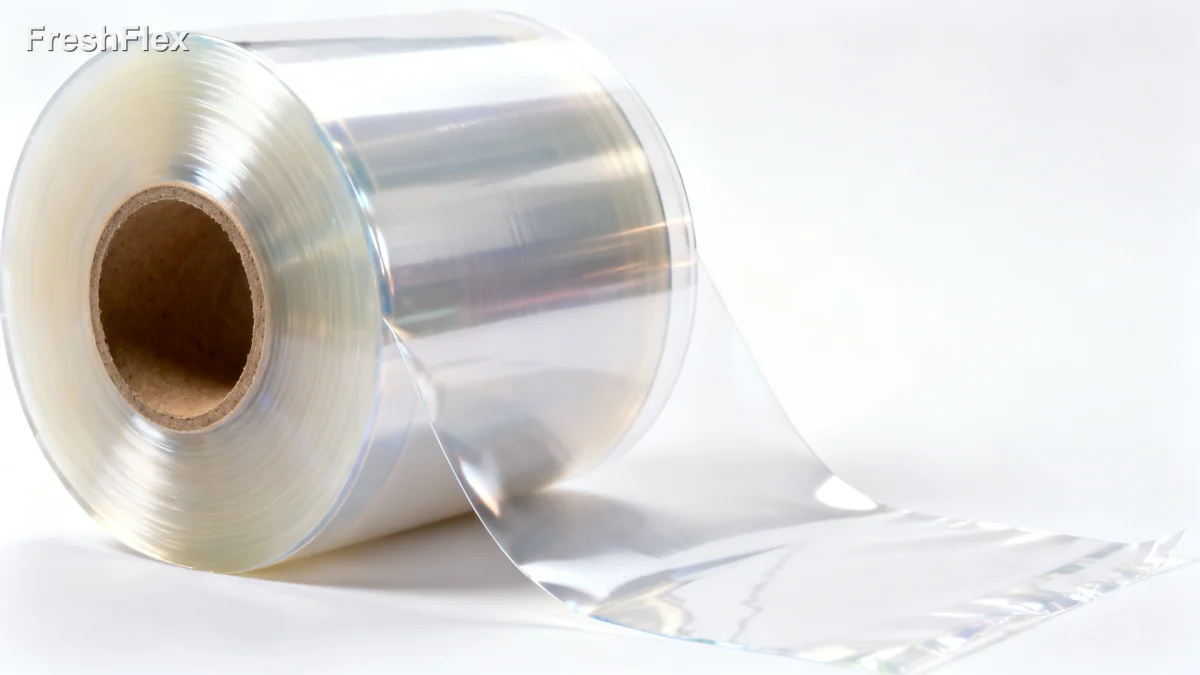
FreshFlex specializes in high-barrier EVOH films engineered for demanding applications, including cosmetic packaging. This article explains the technical and commercial rationale for specifying EVOH in cosmetic packaging structures.
The Barrier Challenge in Cosmetics
Cosmetic formulations often contain ingredients prone to degradation:
- Oxidation: Unsaturated oils, vitamins (A, C, E), and natural extracts react with oxygen, causing rancidity, color shift, and loss of efficacy.
- Moisture migration: Water loss or gain can alter texture, viscosity, and stability, leading to phase separation or microbial growth.
- Aroma loss: Volatile fragrance compounds escape through packaging, diminishing the product experience.
- Contamination: External odors and gases can permeate inward, tainting the product.
Standard polyolefin films (PE, PP) offer limited barrier. EVOH provides an order-of-magnitude improvement in oxygen barrier and good resistance to fats, oils, and organic solvents.
EVOH Barrier Performance
EVOH is a copolymer of ethylene and vinyl alcohol. Its hydroxyl groups create a dense hydrogen-bonded structure that blocks non-polar gases and solvents. Key performance characteristics:
- Oxygen transmission rate (OTR): Typically <1 cc/m²/day at 23°C, 50% RH for a 12 µm EVOH layer, depending on ethylene content and humidity.
- Aroma and flavor barrier: Excellent retention of volatile organic compounds.
- Oil and grease resistance: High resistance to fats, oils, and many organic solvents.
- Humidity sensitivity: EVOH barrier properties decline at high humidity; therefore, it is usually buried in a multilayer structure with moisture-barrier skins (e.g., PE, PP).
FreshFlex EVOH films are available in various ethylene contents (typically 27–48 mol%) to balance barrier, processability, and flexibility.
Typical Multilayer Structures for Cosmetic Packaging
EVOH is rarely used as a standalone film. It is incorporated as a core layer in coextruded or laminated structures. Common configurations include:
- PE / tie / EVOH / tie / PE: For flexible pouches, sachets, and tube laminates.
- PET / EVOH / PE: For high-clarity, high-barrier lamination in premium skincare packaging.
- PP / EVOH / PP: For thermoformed cups, jars, and caps.
- EVOH / PE: For blow-molded bottles (e.g., for lotions and serums).
The choice depends on required barrier, mechanical strength, sealing, and aesthetics. FreshFlex technical team can assist in selecting the optimal EVOH grade and structure.
Application Guidance for Cosmetic Categories
Skin Care (Creams, Lotions, Serums)
Oxygen-sensitive actives (retinol, vitamin C, peptides) benefit from EVOH barrier. For tubes, a PE/EVOH/PE structure with 5–15% EVOH by weight typically provides sufficient protection. For bottles, EVOH can be co-injected or used as a barrier layer.
Fragrances and Aromatic Products
EVOH helps retain volatile top notes and prevents cross-contamination. Consider EVOH in the inner layer of fragrance cartridges or sample sachets.
Natural and Organic Cosmetics
Preservative-free or naturally preserved products are more vulnerable to microbial growth and oxidation. High-barrier EVOH packaging can reduce reliance on preservatives and extend shelf life.
Color Cosmetics
Moisture-sensitive powders and emulsions benefit from EVOH's moisture barrier when combined with appropriate desiccants or moisture-absorbing layers.
Cost/Benefit Analysis
EVOH resin is more expensive than commodity polyolefins. However, the total cost equation favors EVOH when considering:
- Product loss reduction: Fewer returns and spoilage due to oxidation or aroma loss.
- Shelf life extension: Allows longer distribution channels and reduced waste.
- Preservative reduction: Potential cost savings and cleaner labels.
- Down-gauging: EVOH's efficiency means thinner barrier layers can achieve target OTR, reducing material usage.
As a rule of thumb, EVOH adds typically 5–15% to packaging material cost but can extend shelf life by 50–200% depending on the product. A full life-cycle cost analysis is recommended.
Processing and Handling Considerations
EVOH is hygroscopic and should be stored in dry conditions. It processes well on standard coextrusion and lamination equipment, but requires proper screw design and temperature control. FreshFlex provides technical data sheets and processing guidelines.
Conclusion
EVOH film offers a proven, cost-effective way to protect cosmetic formulations, extend shelf life, and enhance brand value. For brands in Vietnam, Indonesia, and Thailand, FreshFlex supplies high-barrier EVOH films with local technical support. Contact us to discuss your packaging requirements.