Understanding EVOH Film Pricing
EVOH (ethylene vinyl alcohol) film is a high-barrier material widely used in food packaging to extend shelf life and protect sensitive products. As a buyer in Southeast Asia, you may have noticed that EVOH film prices vary significantly between suppliers and over time. This article explains the key factors that influence EVOH film pricing and provides guidance on how to assess the cost-benefit of using EVOH in your packaging structures.
Key Factors Affecting EVOH Film Price
1. Raw Material Costs
EVOH is produced from ethylene and vinyl alcohol copolymers. The price of ethylene, a petrochemical derivative, fluctuates with crude oil prices. Additionally, the vinyl alcohol content affects barrier properties and cost. Higher ethylene content improves moisture resistance but may reduce oxygen barrier, while higher vinyl alcohol content enhances oxygen barrier but increases sensitivity to humidity. Suppliers balance these properties, and the resulting resin grade impacts film price.
2. Film Structure and Thickness
EVOH film is rarely used alone; it is typically part of a multilayer structure with other materials like PE, PP, or PET. The thickness of the EVOH layer, usually expressed in microns, directly affects barrier performance and cost. Thicker EVOH layers provide better barrier but increase material usage and price. Common EVOH layer thicknesses range from 3 to 20 microns, depending on the required shelf life and product sensitivity.
3. Production Technology and Quality
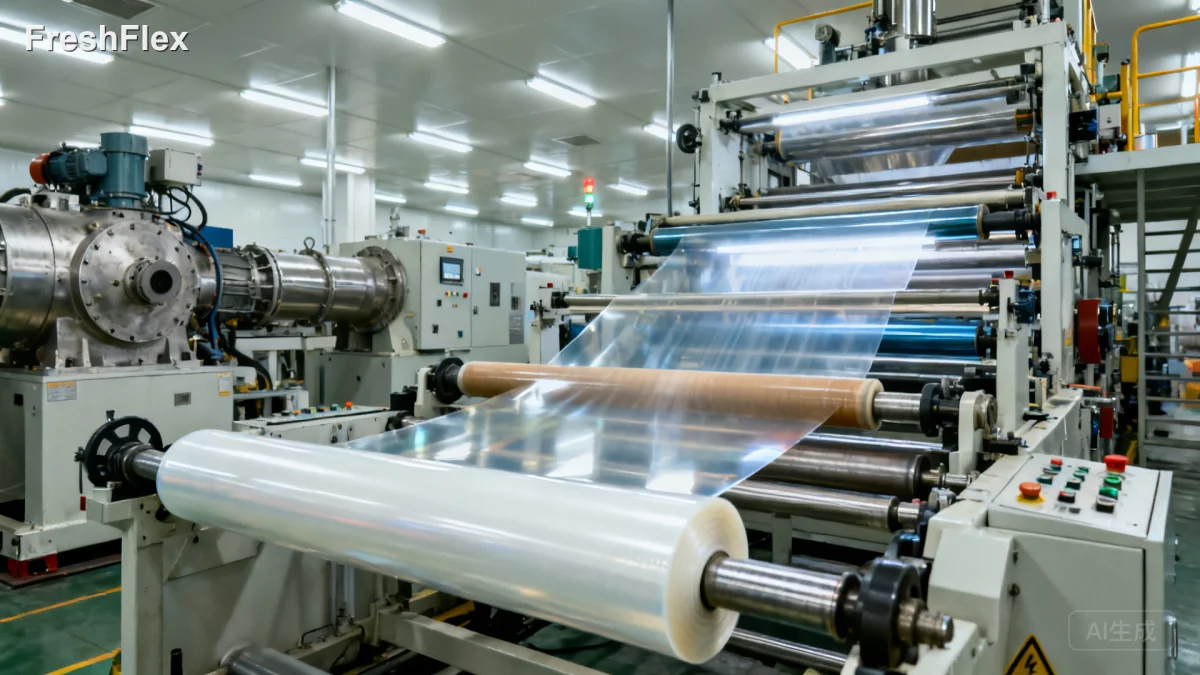
Manufacturers using advanced co-extrusion or lamination technologies can produce EVOH films with consistent quality and fewer defects. Higher quality films may command a premium but reduce waste and improve packaging efficiency. Factors such as clarity, gel count, and thickness tolerance influence price.
4. Order Volume and Supply Chain
Like most materials, EVOH film price benefits from economies of scale. Larger order volumes typically secure lower per-unit prices. Additionally, logistics costs, import duties, and local availability in Vietnam, Indonesia, and Thailand can affect the final landed cost. Working with a regional supplier or a manufacturer with local distribution can reduce lead times and freight expenses.
5. Market Demand and Global Trends
Demand for high-barrier packaging is growing in Southeast Asia due to urbanization and changing food consumption habits. This increased demand, along with global supply chain dynamics, can influence EVOH film prices. Monitoring market trends and maintaining flexible sourcing strategies can help mitigate price volatility.
Typical Price Ranges
EVOH film prices are not publicly listed and vary based on the factors above. As a general guide, EVOH film can range from approximately $5 to $15 per kilogram, depending on grade, thickness, and order volume. For specific multilayer structures, the EVOH component may represent a fraction of the total packaging cost. It is essential to request quotes based on your exact specifications.
Cost-Benefit Analysis: Is EVOH Worth It?
While EVOH film may have a higher upfront cost compared to standard barrier films like metallized PET or PVDC-coated films, it offers several advantages that can justify the investment:
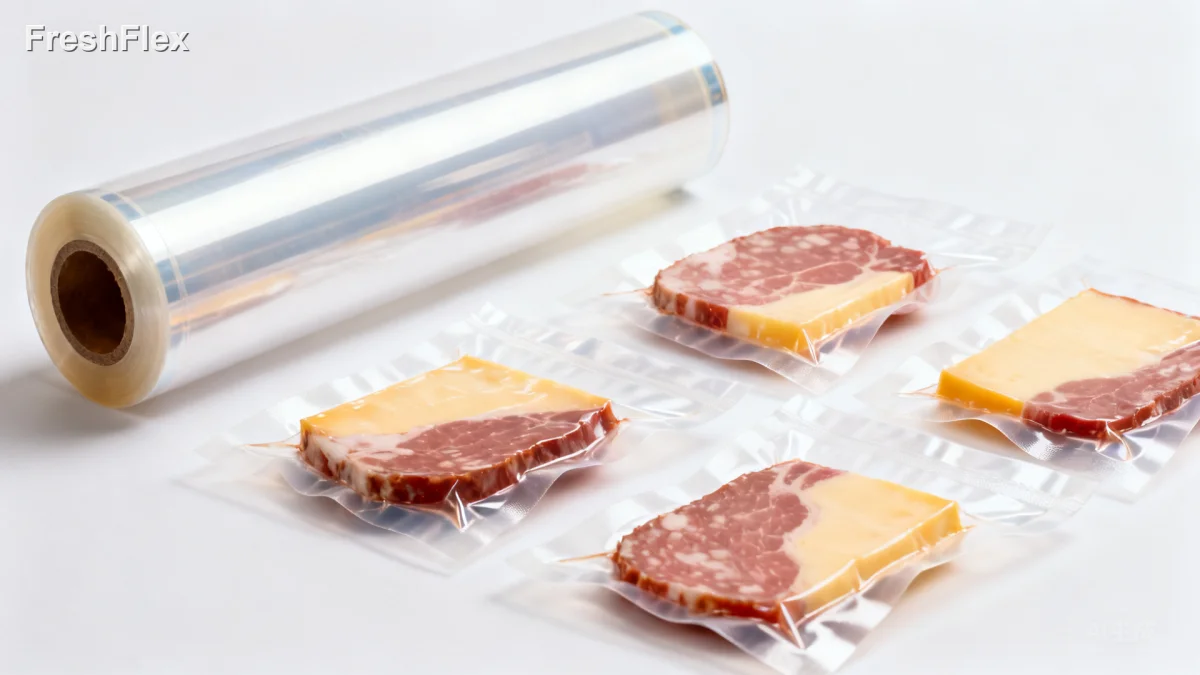
- Superior oxygen barrier: EVOH provides excellent oxygen barrier properties, often 10 to 100 times better than other common barrier materials, which can significantly extend shelf life.
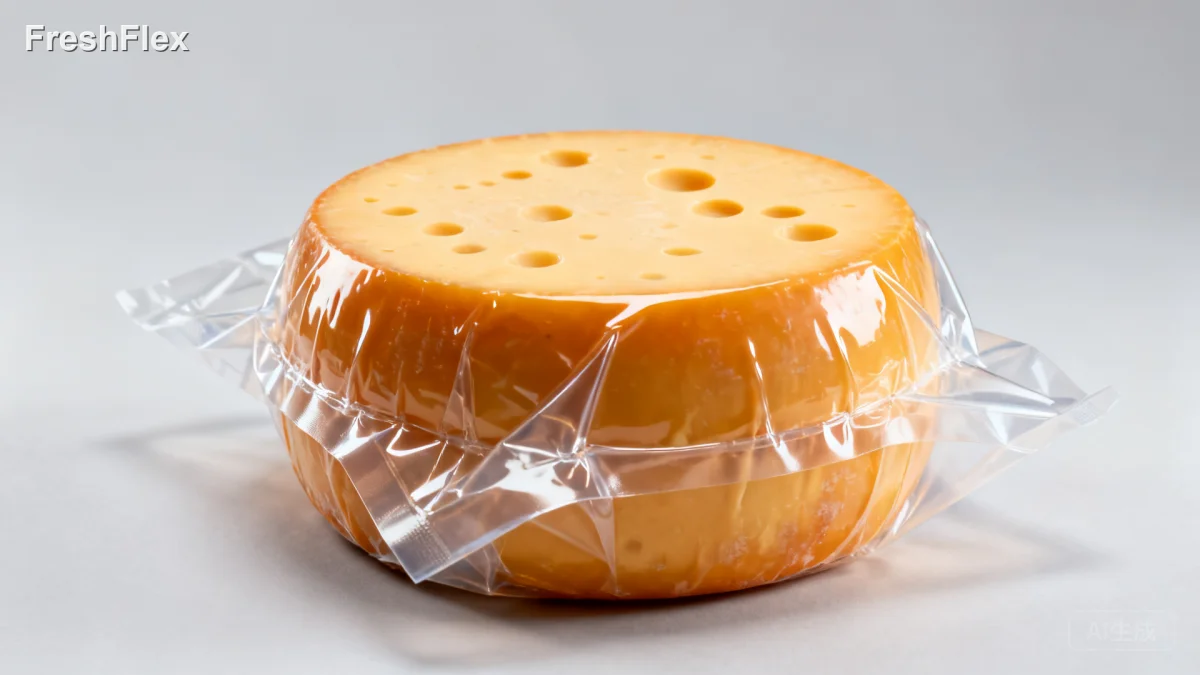
- Flavor and aroma preservation: EVOH helps retain product flavors and prevents absorption of external odors, important for sensitive foods like coffee, spices, and ready-to-eat meals.
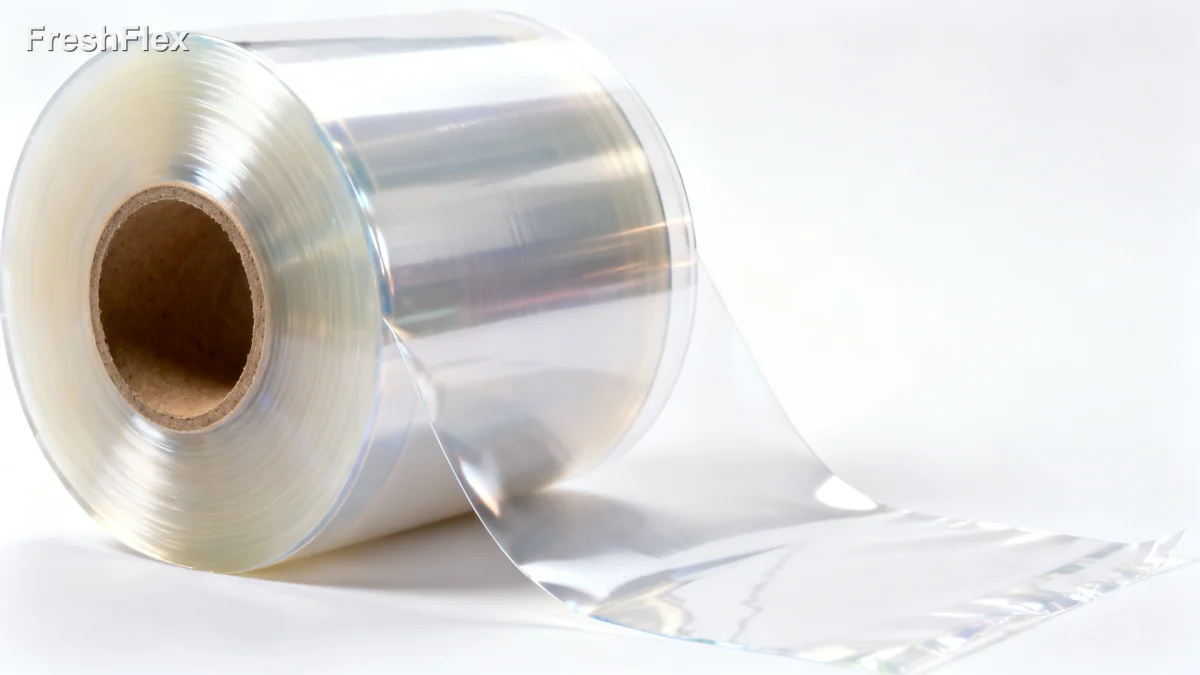
- Transparency and printability: EVOH films are often transparent, allowing product visibility and easy printing for branding.
- Reduced food waste: Longer shelf life can reduce waste and improve sustainability, which is increasingly important to consumers and retailers.
When evaluating cost, consider the total cost of ownership, including reduced returns, extended distribution reach, and potential for premium pricing due to longer shelf life. In many cases, the benefits outweigh the higher material cost.
How to Get the Best Price for EVOH Film
- Define your requirements: Clearly specify barrier needs, thickness, and structure to avoid over-specifying and paying for unnecessary performance.
- Consolidate orders: Larger volumes often lead to better pricing; consider combining orders or committing to annual contracts.
- Source locally: Working with a manufacturer with production or distribution in Southeast Asia can reduce logistics costs and lead times.
- Evaluate total cost: Compare not only price per kilogram but also conversion efficiency, waste rates, and shelf-life benefits.
- Stay informed: Keep an eye on raw material trends and global events that may affect EVOH pricing.
Conclusion
EVOH film price is influenced by a complex interplay of raw materials, technology, and market forces. By understanding these factors and focusing on the total value proposition, buyers in Vietnam, Indonesia, and Thailand can make informed decisions that balance cost and performance. For tailored advice and quotes, consult with a reputable EVOH film manufacturer like FreshFlex.