Key Insights
- EVOH film factories control barrier performance through resin selection, multilayer co-extrusion, and moisture protection.
- Quality assurance in a factory hinges on thickness control, EVOH layer integrity, and adhesion between layers.
- Choosing the right factory involves auditing capabilities, certifications, and supply chain reliability.
- Understanding the production process helps buyers specify the right film and avoid costly packaging failures.
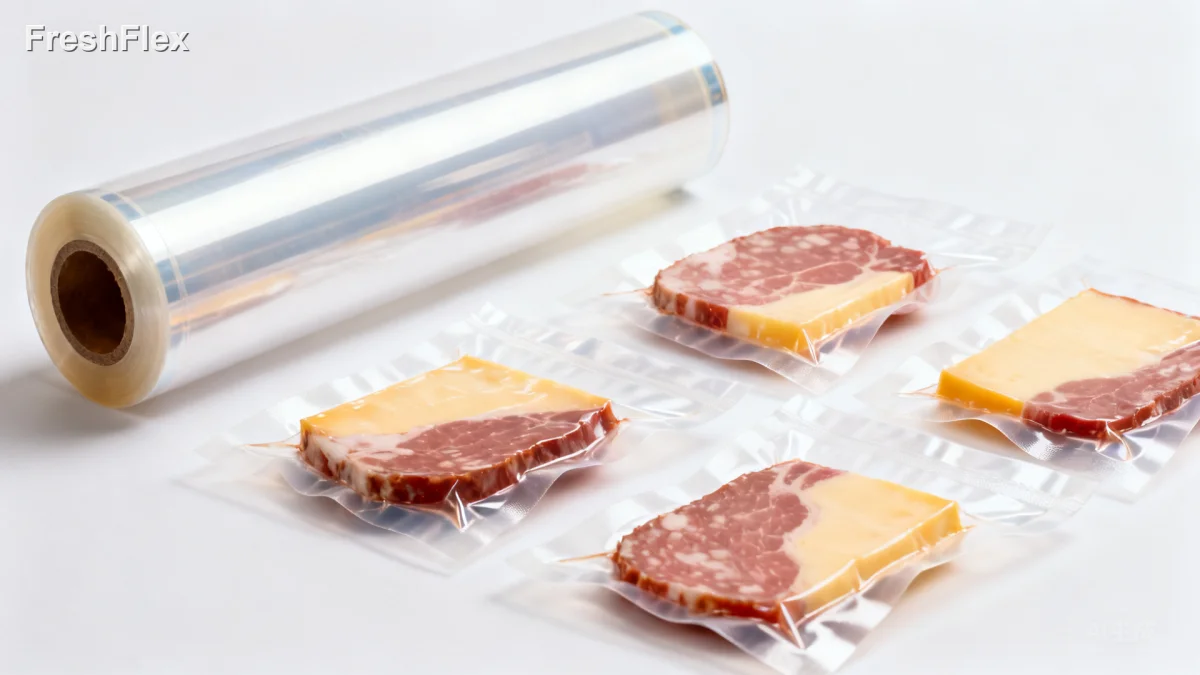
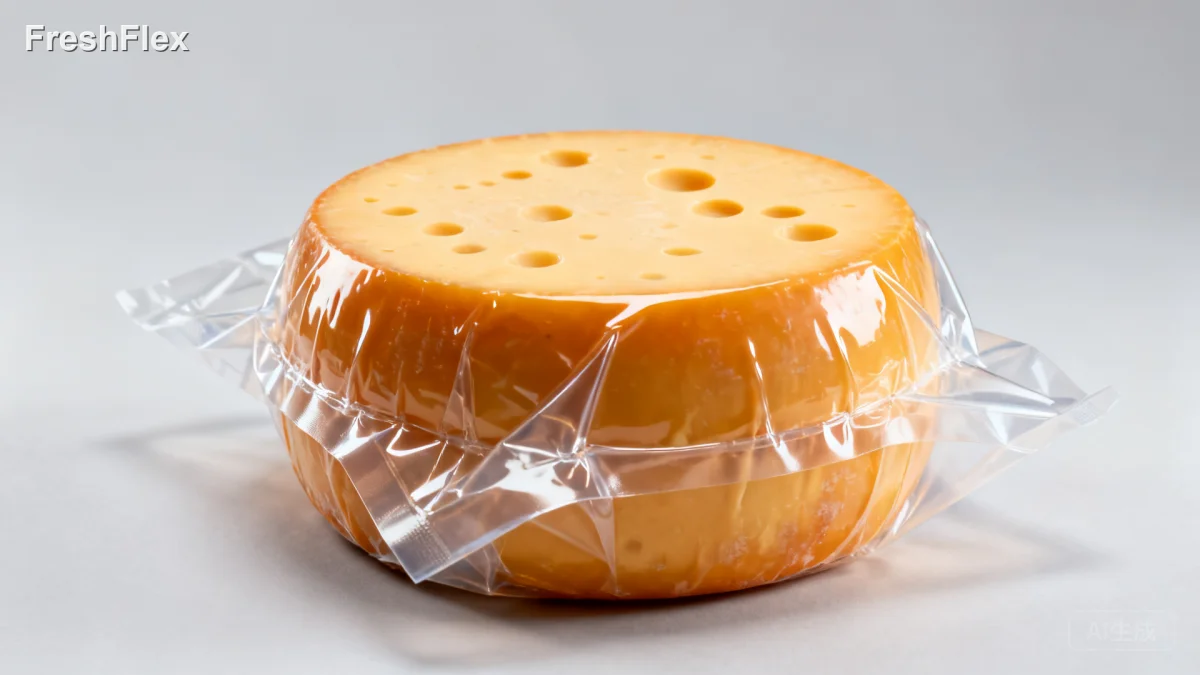
For food packaging buyers in Vietnam, Indonesia, and Thailand, EVOH film is a critical material for extending shelf life and maintaining product quality. But not all EVOH films are created equal—the factory behind the film plays a decisive role in performance, consistency, and cost. This guide takes you inside an EVOH film factory, explaining the manufacturing process, key quality checkpoints, and what to look for when selecting a supplier.

The EVOH Film Manufacturing Process
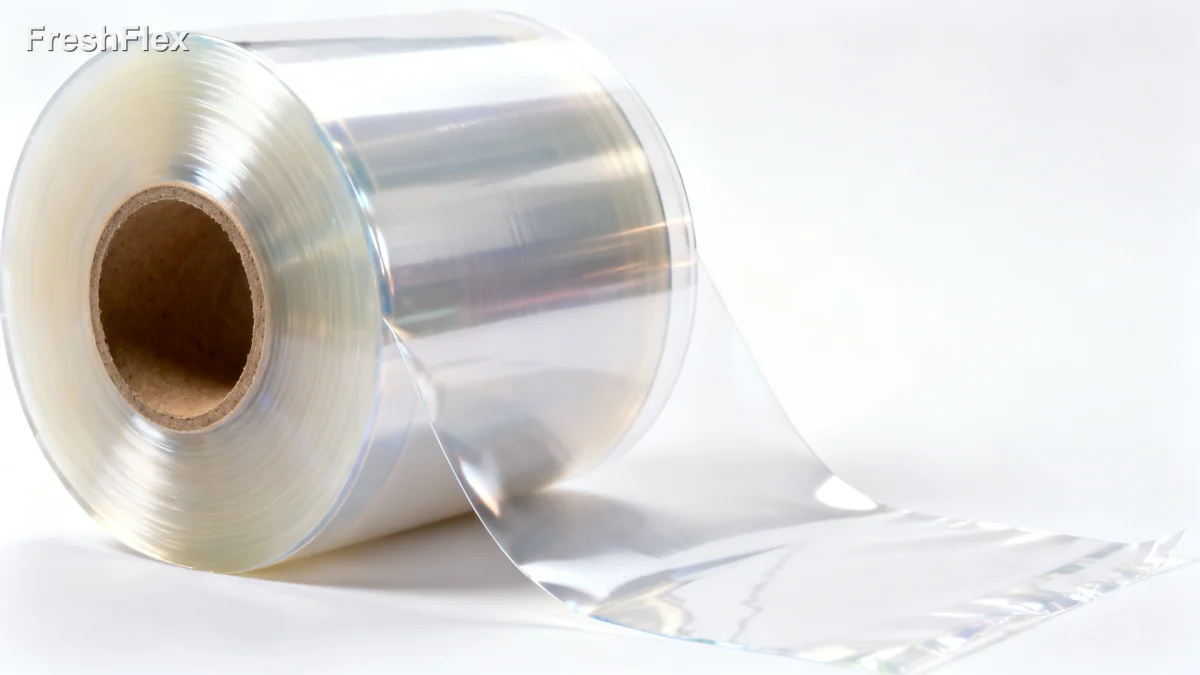
EVOH (ethylene vinyl alcohol) copolymer is renowned for its exceptional oxygen barrier properties, but it is also moisture-sensitive. To harness its benefits, factories typically produce multilayer structures where EVOH is encapsulated between moisture-resistant layers such as polyethylene or polypropylene. The process begins with resin selection: the ethylene content of the EVOH resin determines its barrier and moisture sensitivity—lower ethylene content offers better barrier but higher moisture sensitivity. Factories must balance these properties based on the intended application.
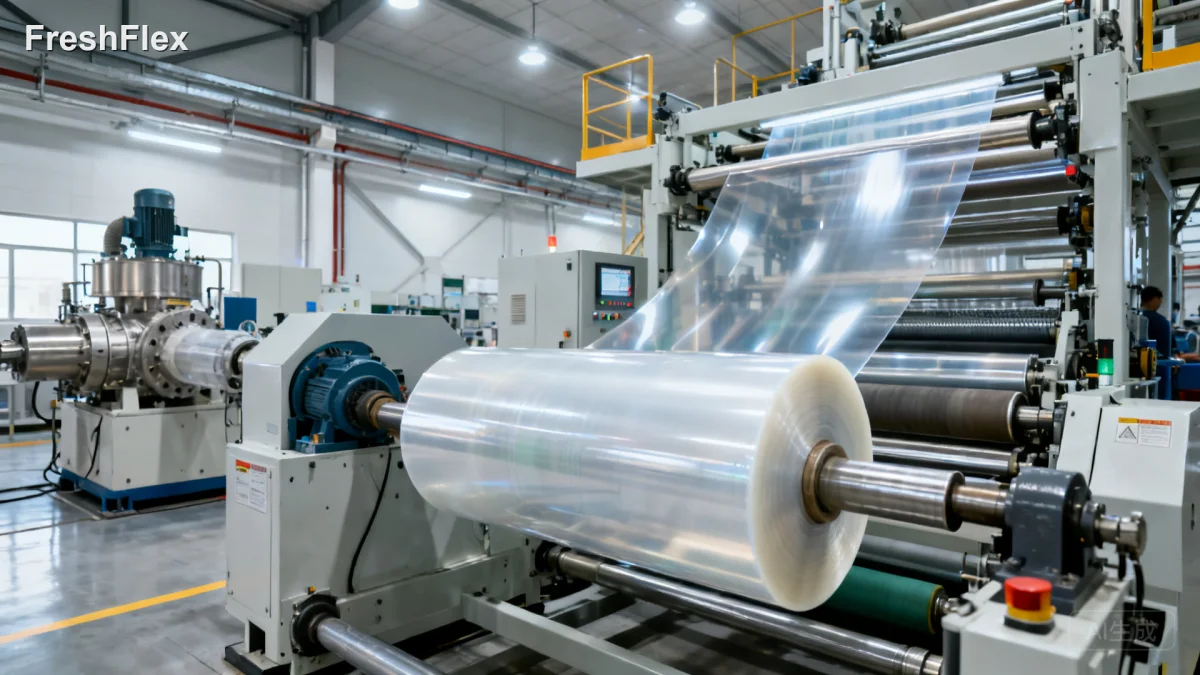
The core manufacturing step is co-extrusion. Multiple extruders feed different polymers into a multilayer feedblock or die, creating a seamless structure. Precision is critical: each layer's thickness must be controlled to within tight tolerances to ensure consistent barrier performance. After extrusion, the film is cooled, wound, and often subjected to additional processes such as corona treatment to improve printability or lamination for added functionality.
“The barrier is only as good as the bond between layers—adhesion is non-negotiable.”
Quality Control: The Heart of a Reliable Factory
In a high-barrier EVOH film factory, quality control is embedded at every stage. Key checkpoints include:
- Thickness uniformity: Inline gauges measure each layer's thickness. Variations can lead to weak spots in the barrier.
- EVOH layer integrity: Microscopy or barrier testing (e.g., oxygen transmission rate) verifies that the EVOH layer is continuous and free of defects.
- Interlayer adhesion: Peel strength tests ensure that layers do not delaminate during handling or use.
- Moisture content: EVOH resin must be dried properly before extrusion to prevent hydrolysis and bubbles.
- Gel and contamination control: Filtration and clean-room practices minimize gels that can cause pinholes.
Factories that invest in automated inspection systems and statistical process control (SPC) can consistently deliver film that meets specifications. Buyers should ask for test reports and understand the factory's sampling plan.

What to Look for in an EVOH Film Factory
When evaluating a factory, consider these factors:
- Certifications: Look for ISO 9001, ISO 22000, and food-contact compliance (e.g., FDA, EU 10/2011). These indicate a commitment to quality and safety.
- Technical support: A good factory provides application guidance, helping you select the right structure for your product's shelf-life requirements.
- Production capacity and flexibility: Can the factory handle your order volumes and offer custom structures? Ask about minimum order quantities and lead times.
- Supply chain reliability: EVOH resin is sourced from a limited number of global suppliers. A factory with stable resin supply and buffer stock can avoid disruptions.
- Traceability: Batch traceability from resin to finished roll is essential for recalls and quality investigations.
Cost vs. Value: The Factory's Role
EVOH film commands a premium over standard polyethylene, but the total cost of packaging depends on much more than the film price. A factory that delivers consistent, high-barrier film can reduce waste from rejected packages and extend shelf life, lowering overall costs. Conversely, a low-cost film with inconsistent barrier can lead to spoilage and brand damage. Buyers should evaluate total cost of ownership, including downtime, waste, and product loss, rather than just price per kilogram.
In Southeast Asia, logistics and import duties also affect landed cost. Working with a factory that has regional distribution or local warehousing can reduce lead times and inventory costs. Some factories offer technical training and on-site support to help converters optimize their processes.

Conclusion
Choosing an EVOH film factory is a strategic decision that impacts product quality, shelf life, and brand reputation. By understanding the manufacturing process and quality controls, buyers can ask the right questions and partner with a factory that delivers reliable, high-performance film. FreshFlex is committed to transparency and technical excellence, helping food packaging buyers in Vietnam, Indonesia, and Thailand achieve their barrier goals.