Why EVOH Film Matters in Medical Packaging
In the medical packaging industry, maintaining the sterility and integrity of devices, pharmaceuticals, and diagnostic products is critical. Ethylene vinyl alcohol (EVOH) film has emerged as a preferred high-barrier material due to its exceptional resistance to oxygen, moisture, and odors. Unlike conventional polyethylene or polypropylene films, EVOH provides an effective barrier that helps preserve product efficacy and safety throughout the supply chain.
Key Properties of EVOH Film
EVOH is a copolymer of ethylene and vinyl alcohol, and its barrier performance can be tailored by adjusting the ethylene content. Lower ethylene content typically yields higher barrier properties but may reduce moisture resistance. Key characteristics include:
- Oxygen barrier: EVOH films can reduce oxygen transmission rates (OTR) to levels as low as 0.1 cc/m²/day, depending on thickness and humidity.
- Moisture barrier: While EVOH is sensitive to moisture, it is often sandwiched between moisture-resistant layers like polyethylene or polypropylene to maintain performance.
- Chemical resistance: EVOH resists many solvents, oils, and greases, making it suitable for a range of medical applications.
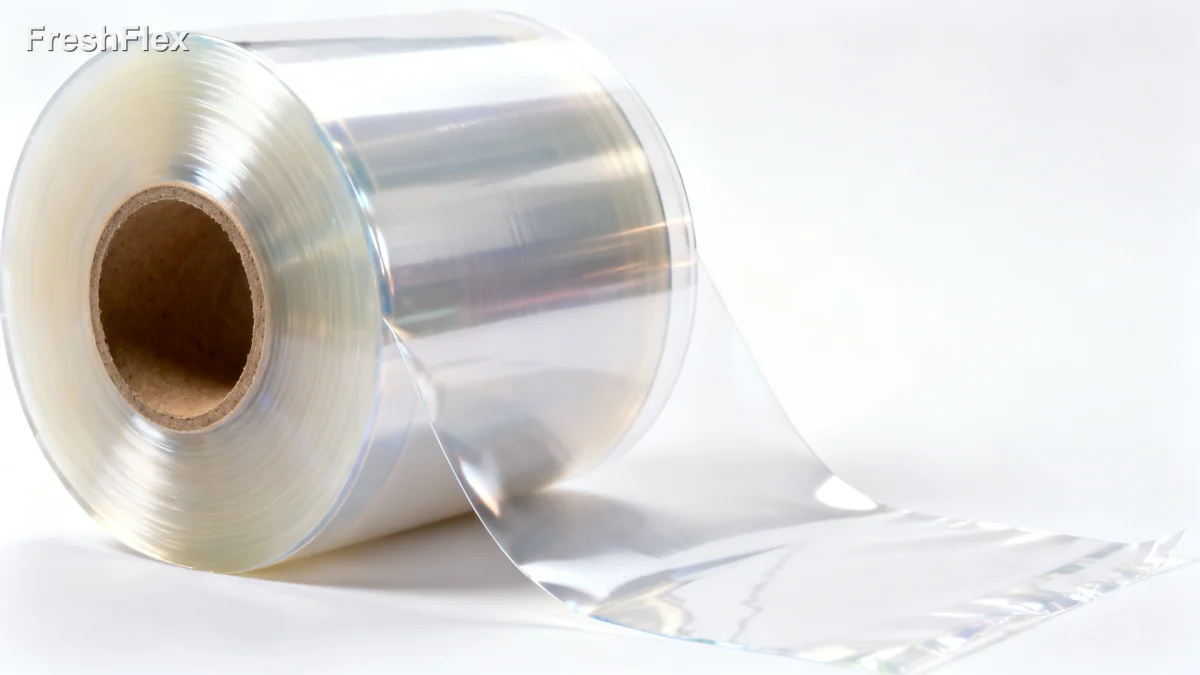
- Transparency: EVOH films are clear, allowing visual inspection of contents.
- Thermoformability: They can be easily thermoformed into blister packs and other packaging formats.
Applications in Medical Packaging
EVOH films are used in various medical packaging applications where barrier protection is paramount:
Blister Packaging
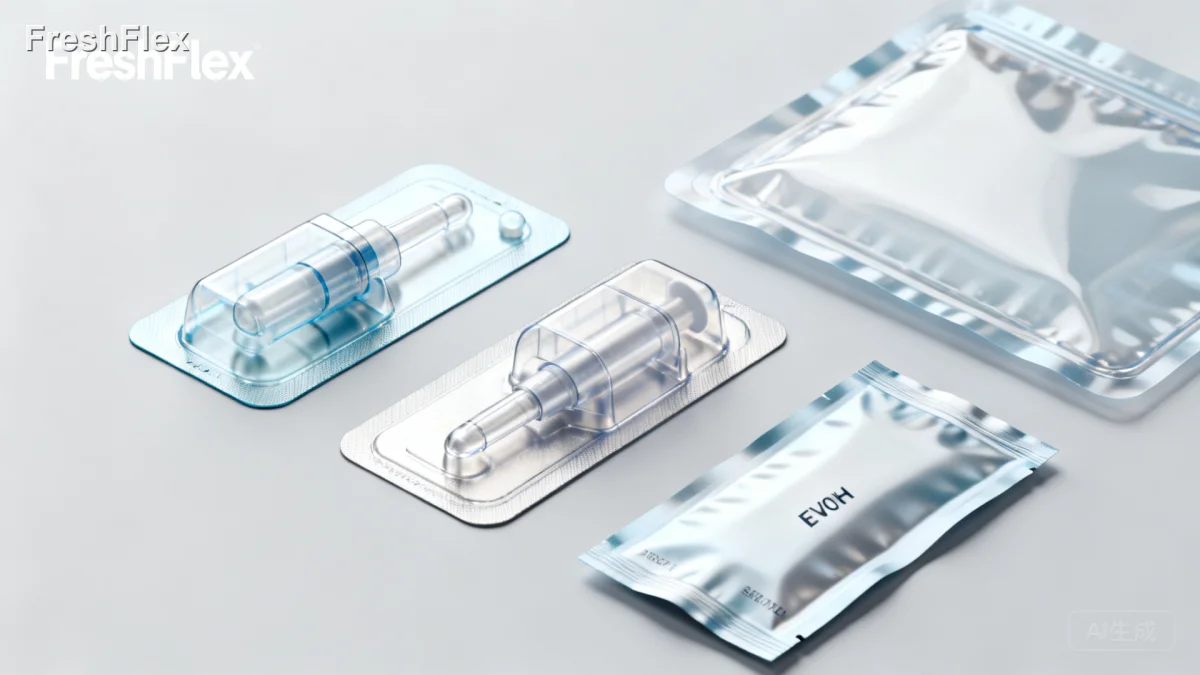
For sensitive pharmaceuticals and medical devices, EVOH-based blister packs provide an excellent oxygen and moisture barrier, extending shelf life and ensuring drug stability. The film can be combined with foil or other materials to create a high-barrier structure.
Sterile Barrier Systems
EVOH films are integral to sterile barrier systems for surgical instruments, implants, and single-use devices. They help maintain sterility from manufacturing to point of use, reducing the risk of contamination.
Diagnostic Kits and Reagents
Diagnostic reagents and test kits often require protection from oxygen and moisture to maintain reactivity. EVOH films provide the necessary barrier, ensuring accurate and reliable test results.
Pharmaceutical Pouches
For oral solid dosage forms, EVOH films can be used in pouches to protect against moisture and oxygen, preserving drug potency.
Cost-Benefit Analysis: EVOH vs. Other Barrier Films
When selecting a barrier film, buyers must balance performance with cost. EVOH films typically offer superior barrier properties compared to standard polyethylene or polypropylene, but at a higher material cost. However, the total cost of ownership can be lower due to:
- Extended shelf life: Reduced product waste and fewer returns.
- Thinner films: EVOH can achieve the same barrier with less material, reducing weight and shipping costs.
- Compatibility with existing equipment: EVOH films can often run on standard thermoforming and sealing machines, minimizing capital investment.
In humid environments, EVOH must be protected by outer layers, which adds complexity but ensures performance. Overall, for high-value medical products, the benefits of EVOH often justify the investment.
Technical Specifications and Selection Criteria
When sourcing EVOH film for medical packaging, consider the following parameters:
| Parameter | Typical Range | Considerations |
|---|---|---|
| Thickness | 12 – 100 µm | Thicker films offer higher barrier but may affect flexibility. |
| Ethylene content | 24 – 48 mol% | Lower content = higher barrier, but more moisture sensitive. |
| OTR | 0.1 – 1.0 cc/m²/day | Depends on thickness and humidity. |
| WVTR | 1 – 10 g/m²/day | Often requires additional moisture barrier layers. |
| Seal strength | ≥ 2 N/15mm | Ensure compatibility with sealing equipment. |
Additionally, verify regulatory compliance (e.g., USP Class VI, ISO 10993) and sterilization compatibility (gamma, EtO, steam).
Processing and Converting EVOH Films
EVOH films can be processed using standard converting techniques, but they require careful handling due to their moisture sensitivity. Key tips:
- Conditioning: Store in a dry environment to prevent moisture absorption.
- Lamination: Often coextruded or laminated with moisture-resistant layers like PE or PP.
- Thermoforming: Optimize temperature and dwell time to avoid cracking or delamination.
- Sealing: Use appropriate sealant layers to achieve strong, hermetic seals.
Working with an experienced film supplier can help navigate these challenges.
Regulatory and Sustainability Considerations
Medical packaging must comply with stringent regulations. EVOH is generally regarded as safe for medical applications and can be incinerated or recycled in some regions, though recycling infrastructure for multilayer films is still developing. As sustainability becomes a priority, EVOH's ability to reduce material usage while maintaining performance aligns with waste-reduction goals.
Conclusion
EVOH film offers a compelling combination of high barrier, clarity, and processability for medical packaging. By understanding its properties, applications, and cost implications, buyers can make informed decisions that enhance product protection and patient safety. For tailored solutions, consult with a reputable EVOH film manufacturer like FreshFlex to meet your specific requirements.